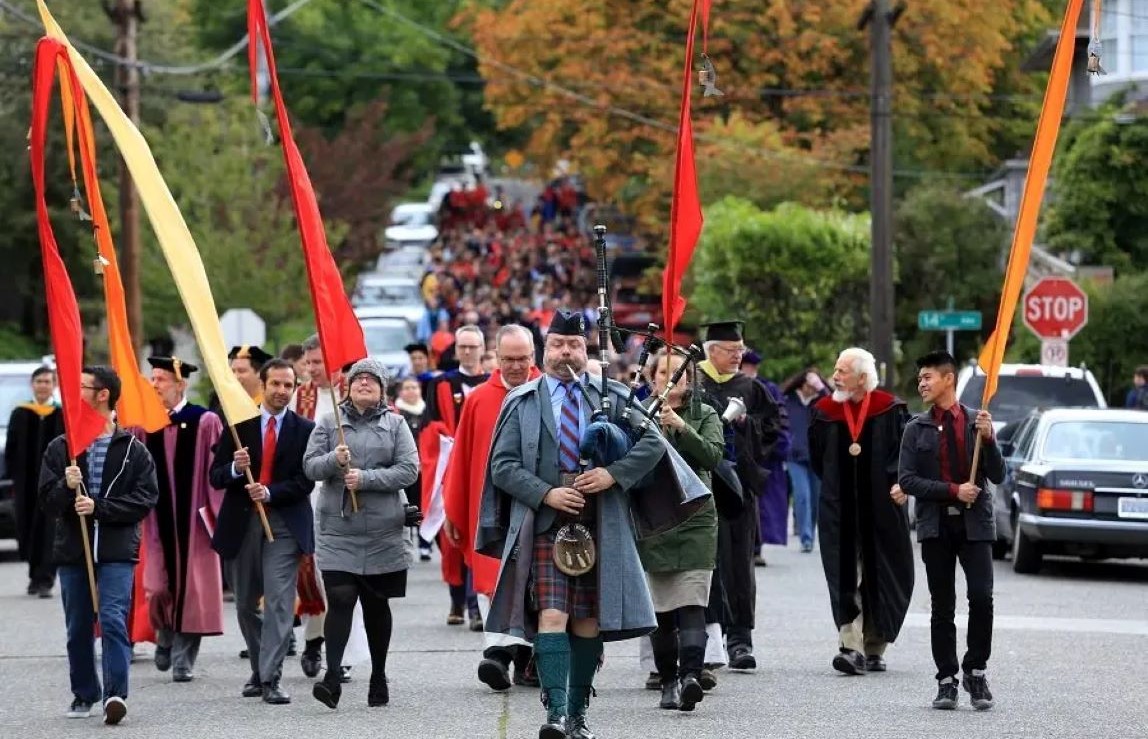
Bagpipes have always held a special place in the cultural fabric of many communities, particularly in Irish and Scottish traditions. For me, bagpipes are not just an instrument—they are a connection to my family’s rich heritage and the musical legacy passed down through generations. One of the most memorable pieces of my family’s history is my grandfather’s 1924 performance at a St. Patrick’s Day celebration in Portland, Oregon, with the Ancient Order of Hibernians (AOH). This event symbolizes not only a moment of pride for my family but also a deep connection to Irish heritage and the enduring power of bagpipe music.
A Glimpse into the Past
In 1924, my grandfather, Nicholas Patrick Heade, performed at a St. Patrick’s Day celebration organized by the Ancient Order of Hibernians in Portland, Oregon. The AOH is a longstanding Irish Catholic fraternal organization that played an important role in fostering Irish culture and supporting immigrant communities. My grandfather’s involvement with the AOH is emblematic of his deep commitment to his heritage and his role in keeping Irish traditions alive through music.
This performance, nearly a century ago, was significant not only because of its cultural importance but also because it marked a moment when my family’s legacy with bagpipes was solidified. My grandfather played a set of R.G. Lawrie Highland pipes, which were often referred to as “Irish War Pipes” at the time, a term commonly used in my family’s native Ardee, County Louth, Ireland. These pipes, now over a century old, are still in my possession, and they represent an unbroken thread that connects me to my ancestors.
A Surprise Discovery
In the run-up to my own St. Patrick’s Day performance in 2021, I received a surprising and heartwarming reminder of my grandfather’s legacy. A cousin from Southern Oregon sent me a 97-year-old newspaper notice documenting my grandfather’s 1924 St. Patrick’s Day performance. The article referred to his pipes as “Irish War Pipes,” highlighting the cultural significance of the instrument during that era. This unexpected discovery was not just a piece of family history—it was a profound reminder of the deep roots I share with the past and the responsibility I carry to honor that tradition.
At the time of his performance, my grandfather’s pipes would have been pitched differently than they are today. In 1924, the standard for bagpipes was closer to A440 pitch, a tuning that I still use for special performances like symphonies. Over the years, bagpipe pitch has crept higher, with many modern pipes now tuned around A480 or even higher. To keep my grandfather’s tradition alive, I often adjust the pitch of his old R.G. Lawrie pipes, taking them back to A440, which requires meticulous care and adjustment.
Carrying the Tradition Forward
As I prepare for my own performances—whether for St. Patrick’s Day or other events—I often reflect on the legacy my grandfather left behind. I think about how he must have felt, playing those same pipes in front of the Irish community in Portland nearly a century ago. The responsibility of carrying on this tradition is one I don’t take lightly. I’ve spent countless hours restoring and maintaining my grandfather’s pipes, ensuring they still resonate with the same warmth and richness they did back in 1924.
Playing these pipes in modern settings, such as symphony performances or local events, is a way for me to bridge the past and the present. I believe my grandfather would be proud to see how far his pipes have traveled—from a St. Patrick’s Day celebration in Portland to performances with the Skagit Symphony and the Yakima Symphony Orchestra. Each time I perform, I’m not just playing music—I’m honoring a family tradition that has been passed down through generations.
Honoring the Past, Inspiring the Future
The story of my grandfather’s 1924 performance is more than just a family anecdote. It’s a testament to the power of tradition, the importance of cultural heritage, and the lasting impact of music. As I continue to perform and teach, I carry with me the lessons of the past, while also striving to inspire future generations of pipers.
Bagpipes are more than an instrument—they are a voice that echoes through time. And with every note I play, I’m reminded of the enduring legacy left by those who came before me, and the responsibility I have to ensure that legacy continues.
Conclusion
Honoring the past is a way of connecting with our roots, and my grandfather’s legacy is a constant reminder of that. As I carry his music forward into the modern world, I find myself grounded in tradition while striving to innovate and grow. His 1924 St. Patrick’s Day performance is a reminder of where I come from, and it fuels my passion to keep the sound of the bagpipes alive for generations to come. Every performance is an opportunity to carry forward the values of dedication, heritage, and family that have been passed down to me.